Sewage Cleanup in Minneapolis, Minnesota

Sewage Cleanup services in Minneapolis, Minnesota

Sewage cleanup removes contaminated water, wastewater, and affected materials from your property so the space can be cleaned, dried, and made safer to use again. We help homeowners, landlords, property managers, and businesses in Minneapolis respond to sewage backups, overflowing toilets, blocked sewer lines, and wastewater entering through floor drains.

We serve homes and businesses across Minneapolis, including communities around North Loop, Uptown Minneapolis, Northeast Minneapolis, and Linden Hills.

Act quickly after a backup. Contaminated water can spread across flooring, soak into subfloors, damage drywall, and carry bacteria into areas that look unaffected. Our team provides a quick 1-hour local response, uses appropriate personal protective equipment, and helps you understand what needs to happen before cleanup begins.

Our technicians serve homes and properties throughout Minneapolis and the surrounding Minneapolis-St. Paul Metro Area. From a small bathroom overflow to a larger basement or multifamily building incident, we organize the work around safety, containment, removal, sanitation, and drying.

Sewer Backup and Sewage Removal for Minneapolis Properties

Sewage backups are different from clean-water leaks because the water may contain bacteria, viruses, chemicals, and other contaminants. Avoid touching it with bare hands, walking through it, or moving items from the affected area into clean rooms.

Our first step is to identify the source and limit further flow when it is safe to do so. A plumber may be needed for a blocked or damaged sewer line, toilet, or drain. Restoration work can begin once the source is controlled and the property can be entered safely.

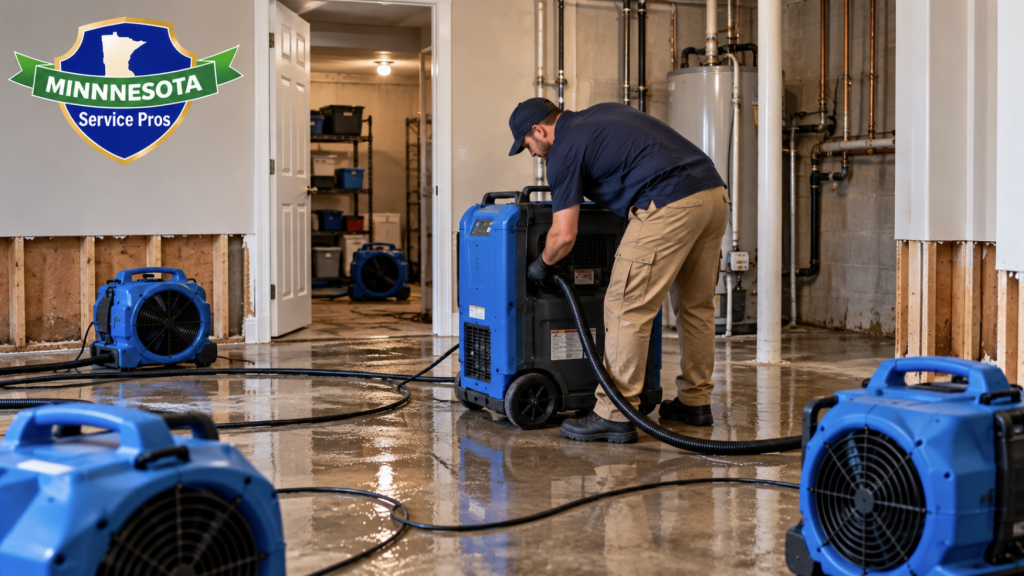
Standing wastewater is removed with pumps, extraction equipment, or other suitable methods. The equipment and approach depend on the amount of water, the affected materials, access to the area, and whether electrical hazards are present.

Porous materials such as carpet padding, some drywall, insulation, particleboard, and heavily contaminated contents may not be suitable for cleaning. We explain what may need removal and what can potentially be cleaned, disinfected, dried, and restored.

After removal, our crew cleans hard surfaces and applies appropriate sanitation and disinfection procedures. Odor control is addressed as part of the cleanup rather than used to cover up an unresolved moisture or contamination problem.

Sewage Cleanup company serving Minneapolis, Minnesota

Who We Help in Minneapolis

Homeowners may call us after a toilet overflow, basement backup, drain problem, or sewer line failure. We help you separate urgent safety steps from decisions about flooring, drywall, contents, and repairs.

Landlords and property managers often need a clear plan for affected units, shared hallways, utility rooms, and neighboring spaces. Containment and controlled access can help reduce cross-contamination while the source and damage are addressed.

We also support commercial and institutional properties, including offices, retail spaces, schools, healthcare settings, restaurants, condominiums, multifamily buildings, and industrial areas. Larger sites may require phased work, occupant coordination, documentation, and protection of unaffected operations.

What to Expect From Our Sewage Removal and Cleanup Process

Our IICRC-certified technicians follow recognized restoration principles for assessment, contaminated-water handling, cleaning, and structural drying. Certification supports a careful process, but each property still needs an on-site evaluation because materials, access, and contamination levels vary.

We are BBB certified in Minnesota. You receive a clear explanation of the affected areas, the work that may be needed, and the conditions that can change the scope before removal or drying moves forward.

A sewage incident can affect more than the room where water first appeared. We check nearby flooring, walls, lower cabinets, floor drains, utility spaces, and areas below the visible damage when those locations may have received moisture.

Our work can be scaled to a small residential loss or a larger commercial cleanup. Safety controls, equipment placement, drying records, and communication are adjusted to the building rather than forced into one standard response.

  1. Contact and safety guidance: We ask what happened, where the wastewater is located, whether the source is still active, and whether power or other hazards may be present. Keep children, pets, and unprotected people away from contaminated areas.
  2. Inspection and containment: Our technicians locate visible and likely hidden impact, assess affected materials, and establish work boundaries when needed. Air movement, foot traffic, and contents are managed to reduce the risk of spreading contamination.
  3. Source control and water removal: The plumbing or sewer issue must be stopped or controlled. We then remove standing wastewater and contaminated debris using equipment suited to the depth, volume, and building layout.
  4. Material and contents decisions: We evaluate flooring, drywall, insulation, cabinets, personal property, and structural components. Some items can be cleaned and disinfected; others may need controlled removal because contamination has entered porous surfaces.
  5. Cleaning and disinfection: Hard, salvageable surfaces are cleaned before appropriate disinfecting treatment. We also address residue and odor sources so the property is not simply dried with contamination left behind.
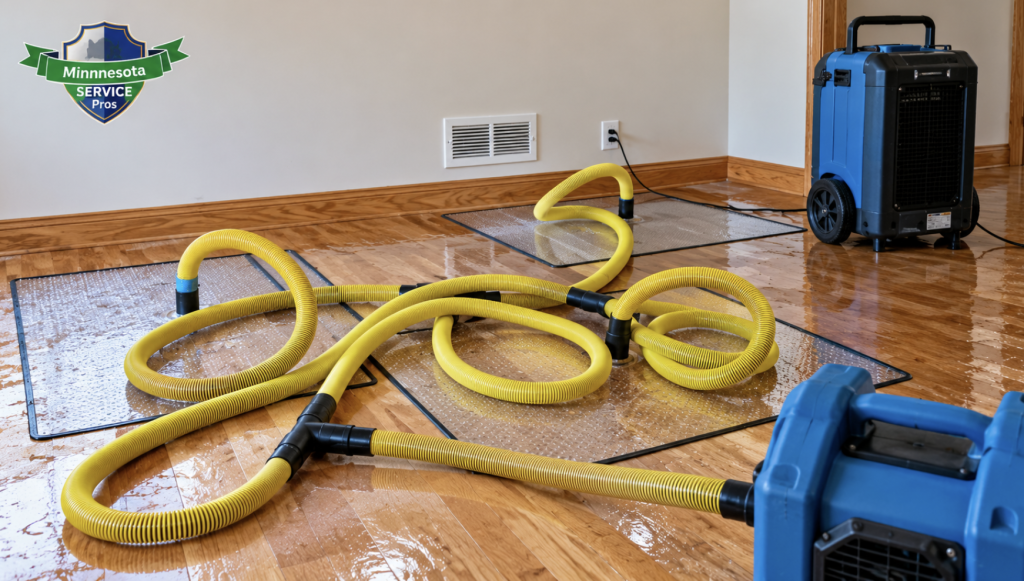
  6. Structural drying: Moisture can remain below flooring, inside walls, beneath cabinets, and in subfloors after visible water is gone. Air movers, dehumidification, moisture readings, and ongoing checks help guide the drying stage.
  7. Documentation and next steps: We explain what was removed, what was cleaned, what still needs attention, and whether additional plumbing, reconstruction, or specialized repairs should follow. You can use the documentation when discussing the loss with your insurer or other property professionals.

What Minneapolis Property Owners Should Know

Minneapolis properties range from older homes with basements and established plumbing systems to newer apartments, condominiums, offices, and mixed-use buildings. Construction age and material type can change how wastewater moves and how much hidden drying is needed.

Basements are common in the area and may receive wastewater through floor drains, toilets, laundry connections, or failed sewer lines. A small amount of standing water can still affect finished walls, stored belongings, furnace areas, and electrical components.

Dense housing and multifamily construction can allow a backup to affect more than one unit or shared building area. Hallways, elevator lobbies, laundry rooms, mechanical spaces, and neighboring suites may need inspection when wastewater travels beyond the original room.

Minneapolis streets, parking areas, and low sections of a property can receive heavy runoff during intense rain or rapid snowmelt. Surface water and sewage backups have different sources, but both can introduce contamination and require careful separation of clean and affected areas.

Do not use a wet vacuum, household fan, or bleach mixture in contaminated water unless a qualified professional has confirmed that approach is safe. Do not enter water near outlets, appliances, furnaces, or other electrical equipment. If you smell gas or see an electrical hazard, leave the area and contact the appropriate emergency service.

Sewage Cleanup help for property owners in Minneapolis, Minnesota

Conditions That Can Contribute to Sewer Backups

Cold Minneapolis winters can freeze or stress plumbing, especially in poorly heated areas, exterior walls, crawlspaces, and utility rooms. A thaw may reveal a broken supply line or drainage problem that began earlier.

Spring snowmelt and heavy rainfall can put pressure on drainage systems and expose problems in basements, floor drains, and lower-level plumbing. Keep valuable belongings elevated when practical and know where your main water shutoff is located.

Summer storms can bring intense rainfall and temporary drainage pressure. If wastewater enters a basement or lower level, treat it as contaminated until the source and water quality are known. Wet materials should not remain closed up for long because moisture can support mold growth and persistent odors.

A Common Sewer Backup Cleanup Scenario in Minneapolis

A homeowner in Linden Hills might discover wastewater around a basement floor drain after a heavy rain. We may find that the visible water is limited to one area while moisture has reached nearby carpet, baseboards, and the subfloor. The response would focus on safe access, source information, controlled removal, material evaluation, cleaning, and drying rather than simply pumping out the water.

In a Minneapolis duplex, a toilet overflow could affect one bathroom and the ceiling below. Our technicians would look at both levels, protect unaffected areas, and explain which porous materials can be restored and which may need removal. This helps prevent a hidden contaminated area from being closed up after the visible mess is gone.

What Our Customers Say

“Our upstairs bathroom line let go around two in the morning and water was coming through the kitchen ceiling. I called expecting to leave a voicemail and someone actually picked up. The crew was at the house in under an hour with fans and a pump. They walked me through what they were doing instead of just working around me, and by the third day everything read dry.”

— Kate Williams

Commercial Sewage and Wastewater Cleanup

Commercial properties in Downtown Minneapolis, the North Loop, Uptown Minneapolis, and Northeast Minneapolis can include offices, retail spaces, restaurants, multifamily buildings, and mixed-use properties with shared plumbing and high occupancy. Cleanup planning may need to account for customer or tenant access, elevator and hallway protection, operating hours, secure work zones, contents movement, and drying equipment that must remain in place without blocking essential activity.

For offices, retail properties, restaurants, and other occupied spaces, we can help organize work around business continuity. That may include separating affected rooms, protecting customer and employee pathways, coordinating access with building staff, and scheduling extraction or material removal in phases when conditions allow.

Multifamily, condominium, healthcare, and school properties may have shared walls, ceilings, plumbing chases, corridors, and mechanical spaces. Our team can assess adjacent areas, document moisture conditions, and coordinate controlled access so one affected unit or room does not become a larger building problem.

Industrial and larger commercial sites may require more extraction capacity, longer drying periods, equipment staging, and detailed documentation. We discuss site access, safety boundaries, contents, operating constraints, and the order of work before cleanup expands into unaffected production or storage areas.

We can plan our service around projects of different sizes, from smaller affected areas to larger losses involving retail properties, offices, hospitals, schools, condos and multifamily buildings, and industrial properties.

Estimated Sewage Cleanup Pricing

Every loss is different, so these general ranges are provided only to help with early planning. Your final cost can change based on the source of the problem, affected square footage, materials, contamination, access, equipment needs, drying time, demolition, cleaning, and repairs.

  • Small project: $1,000–$3,500+
  • Moderate project: $5,000–$10,500
  • Large project: $10,500+

These prices are estimates for general reference only, not a quote for your property. An onsite inspection is required before our team can provide a complete price estimate. The affected area, materials, moisture or contamination, equipment needs, and full scope of work all have to be evaluated first.

Working With Insurance After Property Damage

Keep photographs, videos, dates, source information, damaged-material details, and restoration records when it is safe to do so. We can explain the work performed and provide documentation for your insurance discussion, while your policy and adjuster determine coverage, deductibles, and claim decisions.

Popular insurance companies we work with include: State Farm, Allstate, Farmers Insurance, Travelers, Liberty Mutual, American Family Insurance, USAA, and Nationwide.

Our team can help document the damage and work performed, but coverage and claim decisions depend on your policy, the cause of loss, and your insurance carrier. You should contact your carrier directly with coverage questions.

Sewer Backup Cleanup in Nearby Communities

Our service area also includes nearby communities such as Eagan, Plymouth, and Coon Rapids.

Sewage and Sewer Backup Cleanup FAQs

What should I do first after a sewage backup?

Keep people and pets away from the affected area, avoid contact with the water, and stop the source if you can do so safely. Do not use electrical equipment in or near standing water. If the backup involves a sewer line, toilet, or drain, contact a qualified plumber as needed and arrange professional contaminated-water cleanup.

Can I clean sewage water myself?

Small visible spills on unaffected, nonporous surfaces may be manageable only when there is no electrical risk and you have suitable protection. Larger backups, carpet, drywall, subfloors, porous contents, or unknown contamination should be handled by trained professionals with proper protective equipment, containment, removal, and disinfection procedures.

How do you know what needs to be removed?

We consider the water category, how long materials were exposed, the type of material, how deeply contamination entered, and whether the item can be safely cleaned and dried. Porous materials often require different decisions from sealed flooring, metal, or other hard surfaces.

Will sewage cleanup also remove the odor?

Odor usually improves after contaminated water, residue, and affected materials are removed and the area is cleaned and dried. We address odor sources as part of the process. Air fresheners alone do not resolve contamination or hidden moisture.

How long will the drying process take?

The time depends on the amount of water, temperature, humidity, construction materials, and whether concealed areas are wet. We use moisture checks to guide decisions instead of relying only on how the surface feels. Equipment may need to remain in place until readings show that affected materials have dried sufficiently.

Do I need to leave my home or business?

That depends on the extent of contamination, electrical or structural hazards, ventilation, affected rooms, and whether safe separation is possible. We explain which areas should remain closed and what conditions may require temporary relocation or restricted access.

Scroll to Top