Sewage Cleanup in Rochester, Minnesota

Sewage Cleanup services in Rochester, Minnesota

Sewage Cleanup removes contaminated wastewater, affected materials, and harmful residue from your home or business. We help Rochester property owners after a backed-up sewer line, overflowing toilet, failed drain, or floor drain problem. Fast action can limit odors, reduce cross-contamination, and keep wastewater from soaking deeper into floors, walls, and contents.

Property owners throughout Rochester can call our team for help, including those in and around Kutzky Park, Meadow Park, Slatterly Park, and Pill Hill.

Our team provides a quick 1-Hr Local Response, subject to availability and travel conditions. We arrive ready to evaluate the affected areas, protect clean parts of the property, and determine what must be removed, cleaned, disinfected, or dried. Do not handle sewage yourself if you can avoid it; contaminated water may contain bacteria, viruses, chemicals, and other hazards.

From homes in Kutzky Park and Meadow Park to larger properties across Rochester, we adjust the work to the building, the source, and the amount of damage. Our IICRC certified technicians use established restoration practices, personal protective equipment, containment, extraction, drying, and sanitation to help you move safely toward a clean property.

Sewer Backup and Sewage Removal for Rochester Properties

Sewage backups are different from clean-water leaks. Wastewater can carry microorganisms and debris from toilets, sewer lines, drains, and other contaminated sources. It may spread across flooring quickly, then move into subfloors, drywall, trim, insulation, cabinets, and personal belongings.

The first priority is to stop or control the source when it is safe to do so. A plumber may be needed for a blocked or damaged sewer line, while our restoration team focuses on removing contamination and restoring affected areas. Avoid using plumbing fixtures connected to the problem until the source has been evaluated.

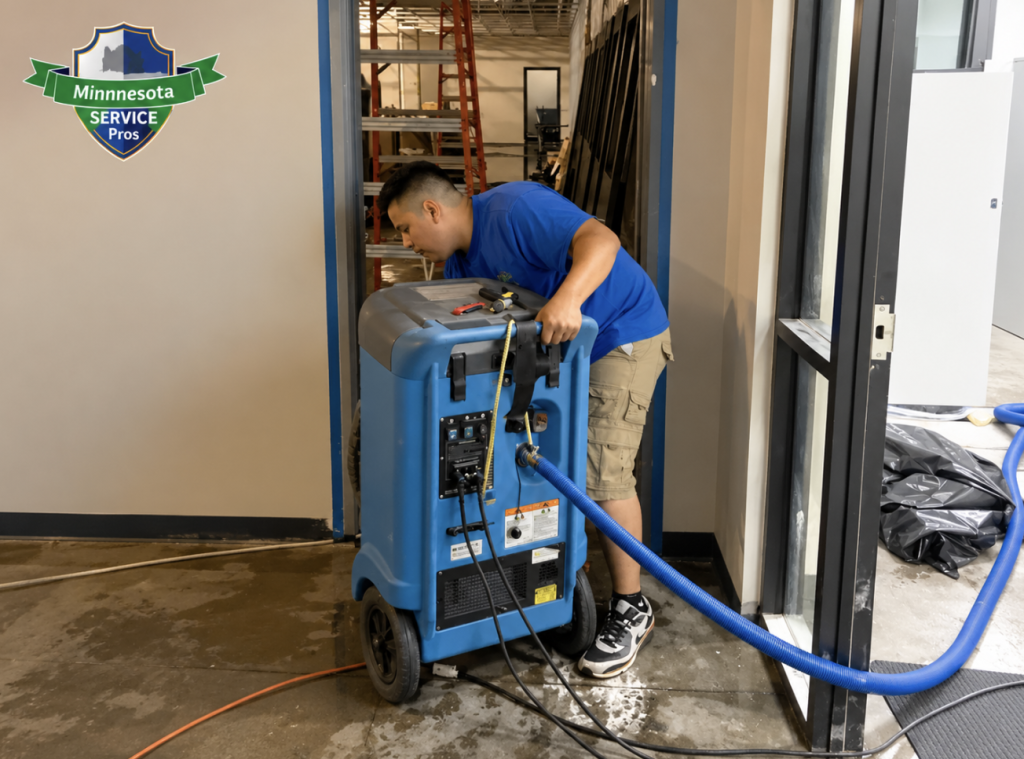
We use appropriate protective equipment and work practices during sewage removal. Depending on the conditions, our crew may establish containment, isolate affected rooms, remove standing wastewater with extraction equipment or pumps, and place contaminated materials in controlled disposal containers.

Porous materials such as carpet padding, some drywall, insulation, upholstered furniture, and heavily affected wood may not be suitable for cleaning. We evaluate each material rather than treating every item the same way. Items that can be salvaged are cleaned and disinfected using methods appropriate for their construction.

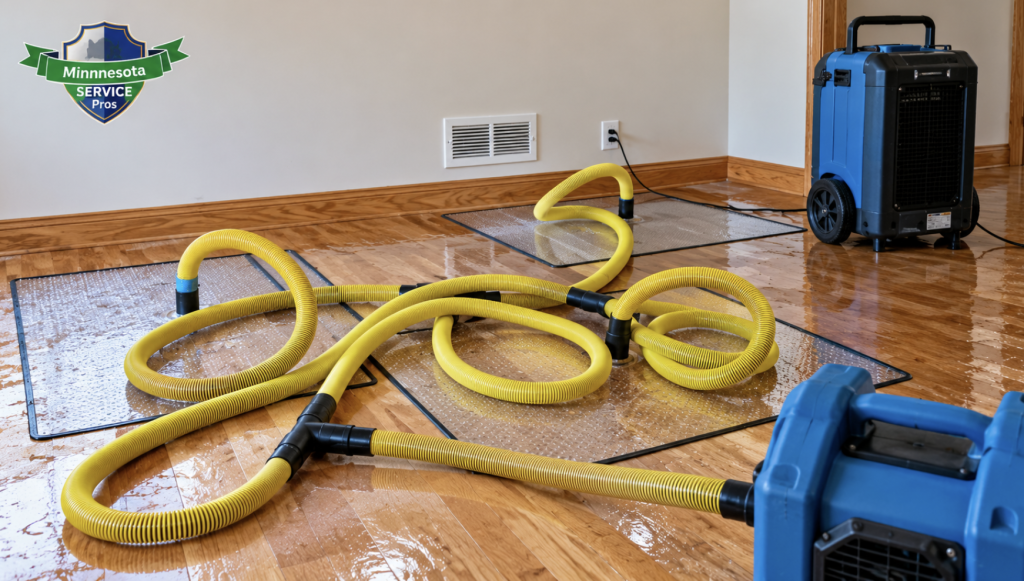
After visible wastewater is removed, the work is not finished. Moisture can remain below flooring, inside wall cavities, under cabinets, or in subfloors. Moisture checks help identify hidden dampness so air movement and dehumidification can be used where needed. Drying lowers the chance of swelling, deterioration, and secondary mold growth.

Sewage Cleanup company serving Rochester, Minnesota

Who We Help in Rochester

Homeowners may call us after a toilet overflow, basement backup, laundry drain problem, or sewer line failure. We can help you understand which rooms and materials are affected, what should remain untouched, and what needs immediate attention.

Property managers and owners of condos or multifamily buildings may need a coordinated plan when wastewater affects more than one unit. We can help separate affected and unaffected areas, reduce cross-contamination during access, and document conditions as work progresses.

Commercial and institutional properties face added concerns because employees, students, patients, residents, and visitors may need safe access. Retail spaces, offices, schools, healthcare properties, and industrial buildings may require phased work that protects occupants while restoration continues.

Small incidents and larger losses both benefit from a careful assessment. The right response depends on the type of wastewater, the area involved, how long it has been present, and which materials absorbed it.

What to Expect From Our Sewage Removal and Cleanup Process

We explain the condition of your property before major work begins. You should know where contamination was found, what is likely salvageable, which materials may need removal, and what drying or sanitation steps are recommended.

Our technicians are IICRC certified and follow restoration principles for contaminated water, material removal, cleaning, and structural drying. We are also BBB certified in Minnesota. These credentials do not replace a property-specific inspection, so our recommendations are based on the conditions we find at your site.

A clear work area helps protect your family, occupants, and our crew. We use practical controls such as protective equipment, containment when appropriate, careful traffic paths, and separation of clean items from affected materials.

Documentation can help you keep track of the event and support conversations with your insurer, plumber, property manager, or other contractors. We can record affected areas, visible damage, moisture findings, removed materials, and completed restoration steps as appropriate.

  1. First, contact a qualified plumber or utility professional if wastewater is still entering the property. If the source is controlled, avoid contact with the water and keep children, pets, and vulnerable occupants away from affected rooms. We provide a quick 1-Hr Local Response, subject to availability, to begin evaluating the situation.
  2. During the assessment, our technicians identify the source if known, the category of contamination, the areas reached by wastewater, and conditions that may be hidden below the surface. We look at flooring, subfloors, walls, cabinets, drains, contents, and nearby rooms rather than limiting the inspection to visible puddles.
  3. Next, we establish safe work practices. This may include protective equipment, containment, shutoff coordination, removal of contents, and controlled movement through the building. Keeping clean areas separate from contaminated areas helps limit the spread of residue.
  4. Standing wastewater and saturated contents are removed using suitable extraction or pump-out equipment. Materials that cannot be safely restored are removed according to the conditions at the property. We take care around structural components, wiring, HVAC openings, and other building systems that may require separate evaluation.
  5. Cleaning and disinfection follow removal. Hard surfaces are cleaned of soil and residue before an appropriate disinfecting treatment is applied. Odor control addresses the source of the smell, not just the air around it. Air scrubbers or other equipment may be considered when conditions call for additional control.
  6. Drying begins after the contaminated water and affected materials are addressed. We monitor moisture in floors, subfloors, walls, and other structural areas as appropriate. The goal is to confirm that affected materials are moving toward a dry condition, not simply to make the surface feel dry.
  7. At the end of the work, we review remaining repairs or reconstruction needs with you. Plumbing repairs, electrical work, flooring replacement, cabinet work, painting, and other rebuilding may involve qualified trade professionals. Restoration and reconstruction are related but separate parts of many sewage losses.

What Rochester Property Owners Should Know

Rochester properties include older homes, newer construction, apartments, medical and office buildings, retail spaces, and industrial facilities. Building age and construction affect how wastewater travels and how easily affected materials can be removed or dried.

Basements and lower-level rooms can be especially vulnerable when floor drains, sewer lines, sump systems, or plumbing fixtures cannot keep up with incoming water. Wastewater may spread across concrete and then wick into stored belongings, finished walls, flooring, and baseboards.

The Zumbro River system and local drainage patterns are part of Rochester's broader water environment. Heavy rain can increase pressure on drainage systems and contribute to basement water problems, although a sewage backup can also occur during dry weather because of an internal blockage or damaged line.

Olmsted County properties may have different access, utility, and building layouts from one site to another. A detached home, condominium, office, clinic, and warehouse each require a different plan for occupant safety, equipment placement, and drying.

Sewage Cleanup help for property owners in Rochester, Minnesota

Conditions That Can Contribute to Sewer Backups

Spring thaw and heavy rain can place extra pressure on stormwater and sanitary drainage systems. Check lower levels after major weather events, but do not assume every backup is weather-related. A blocked private sewer line or failed plumbing connection can create the same type of contamination.

Minnesota winters bring frozen ground, snowmelt, and the risk of frozen or damaged pipes. If a pipe breaks, first shut off the water when possible and keep clear of electrical hazards. Water mixed with sewage requires a different response from a clean supply-line leak.

Summer storms can overwhelm drains or expose weak points around lower-level plumbing. Fall leaves and debris may contribute to drainage problems outside, while indoor sewer backups often require a closer look at private lines, fixtures, and building connections.

A Common Sewer Backup Cleanup Scenario in Rochester

A Rochester homeowner might call us after finding wastewater around a basement floor drain. The visible water may cover only part of the floor, while contamination has reached carpet padding, stored boxes, baseboards, and the subfloor edge. Our assessment would focus on source control, safe access, material decisions, extraction, cleaning, and moisture below the surface.

In a multifamily building, a backup may affect one unit, a shared hallway, or rooms below the original source. We may need to coordinate access, protect occupied areas, separate clean and affected contents, and plan extraction and drying around residents. This is an illustration of how building layout can change the work; we do not treat every loss the same way.

What Our Customers Say

“Our basement flooded during heavy rainfall. We were worried that we might get mold and wanted a company to come out and remove the water and dry everything out. Our neighbor suggested we contact Minnesota Service Pros, and they did a great job!”

— Jennifer Sorenson

Commercial Sewage and Wastewater Cleanup

Commercial properties in Downtown Rochester, around the Apache Mall area, and along the U.S. Highway 52 corridor can include offices, retail spaces, restaurants, multifamily buildings, and service businesses. These sites may have higher occupancy, shared plumbing, restricted loading access, and equipment or inventory that must be protected. Planning may include phased extraction, controlled entry, drying capacity, documentation, and coordination with building management so safe operations can resume where possible.

For a business, wastewater cleanup involves more than removing water from a floor. Our team considers customer and employee access, inventory, equipment, food or medical-area requirements, shared walls, elevators, loading areas, and the risk of spreading contamination through normal foot traffic.

Larger commercial losses may require multiple extraction points, more drying equipment, containment, scheduled access, and communication with property managers or other trades. We can help organize the restoration scope around occupied and unoccupied areas while keeping safety at the center of the plan.

Retail properties, offices, hospitals, schools, condos, multifamily buildings, and industrial sites each have different rules and layouts. We document affected conditions and explain what work is needed so you can coordinate with building owners, occupants, plumbers, insurers, and repair contractors.

We can plan our service around projects of different sizes, from smaller affected areas to larger losses involving retail properties, offices, hospitals, schools, condos and multifamily buildings, and industrial properties.

Estimated Sewage Cleanup Pricing

Every loss is different, so these general ranges are provided only to help with early planning. Your final cost can change based on the source of the problem, affected square footage, materials, contamination, access, equipment needs, drying time, demolition, cleaning, and repairs.

  • Small project: $1,000–$3,500+
  • Moderate project: $5,000–$10,500
  • Large project: $10,500+

These prices are estimates for general reference only, not a quote for your property. An onsite inspection is required before our team can provide a complete price estimate. The affected area, materials, moisture or contamination, equipment needs, and full scope of work all have to be evaluated first.

Working With Insurance After Property Damage

Keep photos, videos, invoices, moisture information, and records of damaged materials when it is safe to do so. We can provide documentation of observed damage and completed restoration work for your records. Coverage and deductibles depend on your policy, so contact your insurer promptly and ask about the next required steps.

Popular insurance companies we work with include: State Farm, Allstate, Farmers Insurance, Travelers, Liberty Mutual, American Family Insurance, USAA, and Nationwide.

Our team can help document the damage and work performed, but coverage and claim decisions depend on your policy, the cause of loss, and your insurance carrier. You should contact your carrier directly with coverage questions.

Sewer Backup Cleanup in Nearby Communities

Our service area also includes nearby communities such as Bloomington, Maple Grove, and St Paul.

Sewage and Sewer Backup Cleanup FAQs

What should I do before sewage cleanup begins?

Keep people and pets out of the affected area, avoid touching the wastewater, and do not use plumbing fixtures connected to the problem. If water may have reached outlets, appliances, or electrical equipment, avoid the area and contact a qualified professional. Call a plumber when the source needs to be stopped or repaired.

Can I clean up a small sewage spill myself?

Small amounts still carry contamination risks, especially when wastewater has come from a toilet, drain, or sewer line. Household cleaning may not address porous materials, hidden moisture, or cross-contamination. We recommend professional assessment when wastewater has spread beyond a small, easily controlled surface or has contacted flooring, walls, contents, or HVAC areas.

Do all contaminated materials need to be thrown away?

No. We evaluate materials based on how porous they are, how long they were exposed, the type of contamination, and whether they can be cleaned safely. Some hard, nonporous items may be salvageable, while carpet padding, affected drywall, insulation, and upholstered materials often require removal.

How long does sewage cleanup take?

The timeline depends on the size of the affected area, the amount of wastewater, material damage, access, and whether plumbing or electrical repairs are needed. Extraction may be completed before drying and reconstruction. We explain the current scope and update you when conditions change.

Will sewage cleanup remove the odor?

Odor control works best when the source is removed. We address wastewater, residue, affected porous materials, and damp structural areas before using appropriate cleaning or odor-control methods. Simply covering the smell without removing contamination usually does not solve the problem.

Can you help if the backup affected several units or business areas?

Yes, our process can be adapted to larger residential and commercial losses. We can help plan access, containment, extraction, drying, documentation, and communication around occupied areas. The assessment determines the equipment and staffing needed for the property.

Scroll to Top